
Essential Things to Know About Operating McNeilus Refuse Trucks

22 Views
Operating a refuse truck requires more than basic driving skills. Drivers and collection crews must understand vehicle controls, loading procedures, safety systems, maintenance requirements, and the demands of daily waste collection. These vehicles operate in residential neighborhoods, commercial districts, industrial facilities, and municipal service areas where careful operation is essential. McNeilus refuse trucks are designed for different collection applications, and understanding their operating requirements helps businesses maintain productivity and protect their equipment investments.
Understand the Specific Truck Configuration
Before operating a refuse truck, drivers should understand its configuration and intended application. Different loading arrangements require different operating procedures and equipment controls.
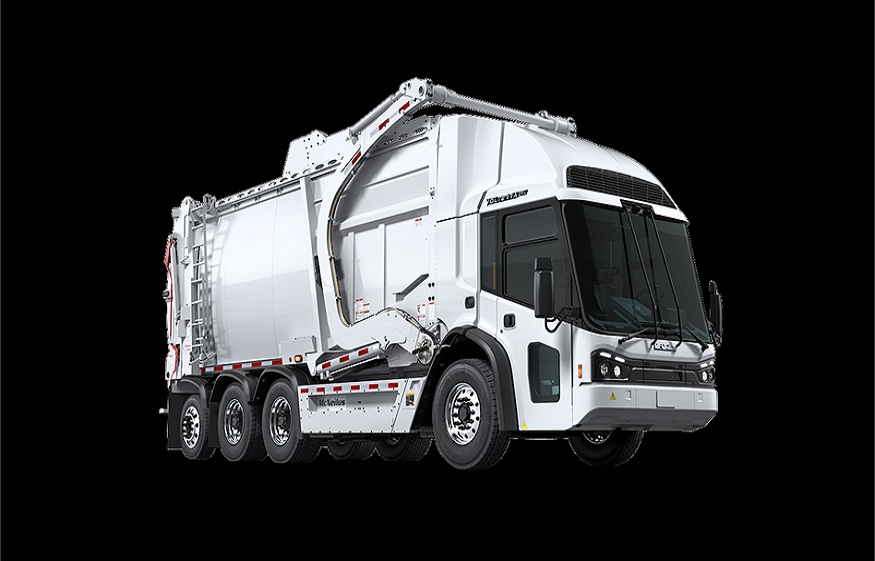
Front loaders are commonly used for commercial waste collection, while rear loaders support residential and certain commercial applications. Side loaders can provide mechanized collection for compatible curbside containers.
Drivers assigned to a McNeilus front loader should understand how its front-loading equipment operates, including the controls, lifting procedures, and safety requirements.
Operators should receive model-specific training rather than assuming that every refuse truck works in exactly the same way.
Complete Pre-Operation Inspections
Pre-operation inspections are essential for identifying visible problems before a collection route begins.
Read More : How to Choose the Best Galfab Trucks for Sale for Demanding Business Operations
Drivers should examine tires, brakes, mirrors, lights, warning systems, and other important vehicle components. They should also check for visible hydraulic leaks, damaged hoses, loose connections, and unusual equipment conditions.
The collection body and loading equipment should be inspected according to the vehicle’s recommended procedures.
Any problem that could affect safe operation should be reported to maintenance personnel before the vehicle enters service.
Learn the Vehicle Controls
Refuse trucks include different controls for driving, loading, compaction, and other equipment functions. Operators must understand these controls before performing collection activities.
Drivers should become familiar with the dashboard, warning indicators, mirrors, cameras, and installed electronic systems.
A McNeilus front loader may have specific operating controls for lifting compatible commercial containers. Operators should follow the manufacturer’s instructions and avoid using the equipment beyond its intended limitations.
Proper training helps reduce operating errors and supports more consistent collection activities.
Follow Safe Loading Procedures
Loading procedures depend on the refuse truck configuration and the type of container being collected.
Drivers should position the vehicle appropriately and ensure that the collection area is suitable for the loading activity. Employees must remain clear of moving equipment and follow established safety procedures.
Operators should never assume that a container is compatible simply because it appears to fit the lifting arrangement. Container specifications and vehicle limitations must be considered.
For a McNeilus front loader, proper container positioning and adherence to recommended lifting procedures are particularly important for safe commercial collection.
Understand Hydraulic and Compaction Systems
Hydraulic systems operate important equipment on many refuse trucks. They provide power for lifting mechanisms and compaction equipment.
Drivers should understand normal equipment movement and recognize unusual sounds, slow operation, warning indicators, or visible leaks.
Compaction equipment should only be operated according to manufacturer instructions. Employees must follow safety procedures and never enter hazardous equipment areas while machinery is operating.
Maintenance technicians should inspect hydraulic systems regularly and address reported problems promptly.
Operate Carefully on Residential and Commercial Routes
Refuse trucks travel through environments with different road conditions and access requirements.
Residential streets may include parked vehicles, pedestrians, children, and narrow turning areas. Commercial locations may involve loading zones, larger containers, restricted access, and other moving equipment.
Drivers should adjust their speed and positioning according to road conditions. They should also use mirrors, cameras, and other visibility equipment where installed.
Businesses operating a McNeilus front loader should evaluate the available turning space and overhead clearance before performing commercial container collection.
Follow Workplace Safety Requirements
Safety should remain a priority throughout every collection route. Drivers and collection crews must understand the risks associated with moving vehicles, heavy containers, and mechanical equipment.
Companies should establish procedures for communication between drivers and ground personnel. Workers should remain in designated safe areas and avoid approaching moving lifting mechanisms.
Warning lights, backup alarms, mirrors, cameras, and other safety systems should be inspected regularly.
Employees should also know how to respond to equipment malfunctions and emergency situations.
Monitor Vehicle Performance During Operation
Drivers should pay attention to changes in vehicle performance throughout their shifts. Unusual vibrations, warning lights, changes in braking behavior, hydraulic problems, or unfamiliar sounds may indicate developing mechanical issues.
These signs should not be ignored. Drivers should follow company procedures for reporting problems and arranging inspections.
For vehicles equipped with a McNeilus front loader, operators should also monitor the normal movement of the lifting equipment and report irregularities.
Early reporting helps maintenance teams investigate problems before they cause more serious interruptions.
Keep the Truck Clean After Collection
Cleaning is an important part of responsible refuse truck operation. Waste residue and accumulated debris can collect around the body, loading equipment, and other accessible areas.
Drivers and maintenance employees should follow approved cleaning procedures and use appropriate equipment.
Cleaning can also make it easier to identify leaks, corrosion, cracks, and damaged components during inspections.
Employees should avoid directing cleaning equipment toward sensitive electrical connections or other areas where water exposure may create problems.
Understand Routine Maintenance Responsibilities
Drivers are not expected to perform every repair, but they play an important role in maintaining vehicle condition.
They should complete required inspections, report equipment problems, and follow instructions from maintenance personnel.
Technicians should perform scheduled servicing according to manufacturer recommendations. Important areas include hydraulic systems, brakes, tires, electrical equipment, loading mechanisms, and the vehicle chassis.
Businesses should also maintain accurate service records and track repeated repair issues.
Know Where to Find Parts and Service Support
Even well-maintained refuse trucks eventually require replacement components and professional servicing.
Before ordering parts, maintenance teams should confirm the vehicle model, serial information, configuration, and applicable part numbers.
Ten-8 Industrial is part of the McNeilus independent dealership network and provides refuse and recycling vehicle sales, parts, maintenance, and service support in Alabama, Florida, Georgia, and Mississippi.
Businesses operating within its service territory can evaluate its support when researching repairs and replacement requirements.
Train Employees for Different Operating Conditions
Training should cover more than the basic operation of vehicle controls. Drivers and collection crews should understand route planning, loading procedures, communication, safety requirements, and equipment limitations.
New employees should receive appropriate instruction before operating refuse trucks independently. Existing employees should also receive refresher training when procedures or vehicle configurations change.
Read More : How much weight can a dump truck haul?
Companies should encourage workers to report unusual equipment behavior and safety concerns without delay.
Conclusion
Operating McNeilus to refuse trucks safely and efficiently requires proper training, regular inspections, correct loading procedures, and responsible vehicle handling. Drivers must understand their specific truck configuration and recognize potential mechanical problems during daily collection activities.
Businesses operating a McNeilus front loader should pay particular attention to container compatibility, lifting procedures, hydraulic equipment, and safe operating distances. Regular maintenance and access to qualified service providers help maintain dependable performance. With appropriate training and support from Ten-8 Industrial within its authorized territory, waste management companies can operate their vehicles more responsibly and maintain efficient collection services.
More Stories
How to Choose the Best Galfab Trucks for Sale for Demanding Business Operations
Businesses involved in waste collection, construction, demolition, recycling, and industrial hauling need dependable equipment to handle demanding daily workloads. Roll-off...
How much weight can a dump truck haul?
Dump trucks are essential in industries like construction, mining, and landscaping. Dump trucks are used to transport sand, gravel, rocks...