How to Choose the Best Galfab Trucks for Sale for Demanding Business Operations

5 Views
Businesses involved in waste collection, construction, demolition, recycling, and industrial hauling need dependable equipment to handle demanding daily workloads. Roll-off trucks are particularly important because they allow companies to deliver, collect, and transport large containers filled with different types of materials. Choosing the right truck can improve operational efficiency, support reliable customer service, and help control long-term operating costs.
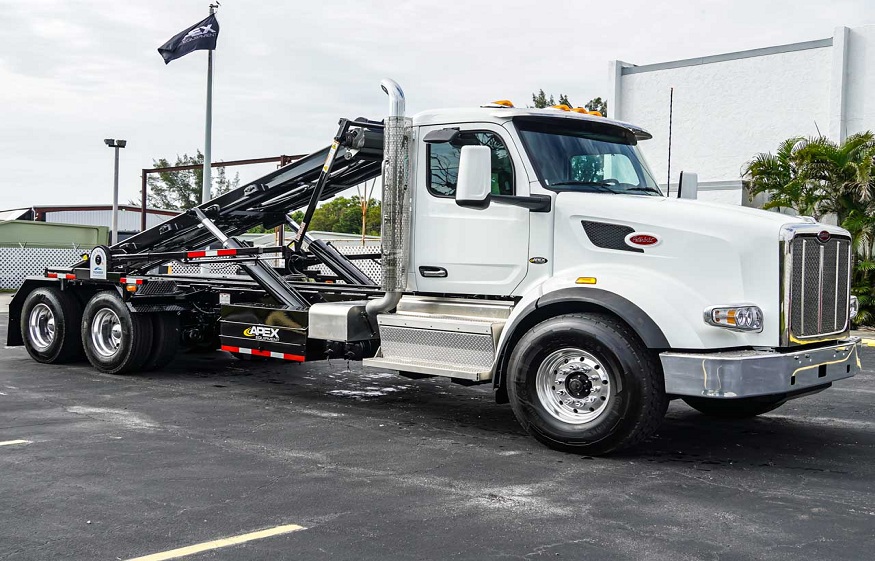
Galfab roll-off systems are designed for cable-style container handling and heavy-duty applications. However, selecting the best truck requires more than choosing a recognized equipment brand. Buyers must consider lifting capacity, chassis compatibility, container dimensions, equipment condition, maintenance requirements, and the type of work the vehicle will perform.
Understand Your Business Requirements
The first step in choosing a suitable roll-off truck is understanding how it will be used. A construction company handling demolition debris may have different requirements from a commercial waste collection business or a recycling facility.
Start by identifying the materials the truck will transport. Construction debris, scrap metal, wood, concrete, and general commercial waste can have significantly different weights and handling requirements. The dimensions and capacity of the containers are equally important.
Consider how frequently the truck will operate and how many container exchanges it may complete during a typical working day. Businesses with demanding schedules may need equipment designed for frequent use, while smaller operations may prioritize affordability and flexibility.
Having a clear picture of daily workloads makes it easier to compare available configurations and avoid purchasing equipment that does not match operational needs.
Evaluate the Hoist Capacity
Hoist capacity is one of the most important specifications to review when comparing roll-off trucks. The system must be capable of handling the containers and loads the business expects to transport.
Galfab Outside Rail systems are listed with hoist capacities of 60,000 pounds and 75,000 pounds. These options provide different capacity levels for businesses with varying requirements.
However, hoist capacity should not be confused with the legal payload capacity of the complete truck. The chassis ratings, axle limits, container weight, load distribution, and applicable transportation regulations all affect how much material can be carried safely and legally.
Before purchasing, ask the dealer to confirm that the selected hoist and chassis are properly matched. Choosing an appropriate configuration can help prevent unnecessary equipment strain and support safer operations.
Check the Hoist Design and Container Compatibility
The hoist design affects how containers move during loading and unloading. Buyers should understand how the system works and whether it is compatible with their existing containers.
Galfab’s Outside Rail design uses rollers that allow container long sills to transition across the hoist frame. This arrangement is intended to reduce direct metal-to-metal friction during container movement. The system also includes container long-sill support rails to help guide and support containers during loading.
If a company already owns a fleet of roll-off containers, compatibility should be confirmed before purchasing a new truck. Container dimensions, long-sill design, weight, and overall condition can influence whether a particular system is suitable.
Businesses purchasing their first roll-off truck should also consider future container requirements so that the equipment can support planned expansion.
Inspect the Chassis Carefully
A roll-off truck is more than its hoist system. The chassis provides the foundation for the complete vehicle and must be suitable for the equipment and expected loads.
Important specifications include gross vehicle weight rating, axle ratings, wheelbase, engine, transmission, suspension, and braking system. Buyers should also consider road conditions and the locations where the truck will operate.
For example, a company working in crowded commercial areas may need to consider turning space and vehicle dimensions. A business serving construction sites may need to pay closer attention to ground conditions and site access.
For used vehicles, inspect the frame, engine, transmission, brakes, tires, steering, and suspension. Request available maintenance records and investigate any signs of structural damage, corrosion, or previous repairs.
Review Safety and Operating Features
Safety should remain a priority when selecting equipment that lifts and transports heavy containers. Drivers need reliable controls and equipment that supports proper loading and unloading procedures.
Galfab’s Outside Rail series lists features such as an autofold DOT bumper, container locks, an hoist-up alarm, and a backup alarm. The autofold bumper is designed to fold forward, helping reduce the chance of bending or hang-ups in landfill environments.
Buyers may also consider optional rear-view camera systems and additional work lights. These features can be useful when operating in restricted spaces or during low-light conditions.
Equipment features alone cannot replace proper training. Operators should understand the truck’s limits, follow the manufacturer’s operating instructions, inspect the equipment before use, and secure containers correctly.
Consider Optional Equipment
Optional equipment can make a roll-off truck more suitable for a specific business. Galfab lists options for its Outside Rail systems that include tarping systems, toolboxes, auxiliary stops, fenders, pintle hooks, onboard scale systems, and additional work lights.
The best options depend on the type of work being performed. A company transporting materials that need to be covered may benefit from a compatible tarping system. Businesses handling different load weights may consider an onboard scale system, subject to applicable requirements and proper calibration.
Rather than choosing every available feature, buyers should focus on equipment that solves practical problems or improves daily operations. They should also confirm that each option is compatible with the selected truck configuration.
Examine Maintenance Requirements
Maintenance has a direct effect on equipment availability and long-term ownership costs. Even a well-designed truck requires regular inspections, lubrication, and replacement of worn components.
Before purchasing, ask about recommended service intervals and the maintenance requirements of the hoist, rollers, cables, hydraulic system, and chassis.
For a used truck, pay particular attention to the condition of cables, rollers, hydraulic hoses, cylinders, container locks, and other working components. Look for leaks, unusual noises, excessive wear, and inconsistent movement. A professional inspection can help identify issues that may not be obvious during a brief demonstration.
Businesses should also consider access to replacement parts and qualified service technicians. A dependable maintenance plan can help reduce unexpected downtime and keep equipment available for scheduled jobs.
Compare the Total Cost of Ownership
The purchase price is only one part of the financial decision. Businesses should consider fuel, insurance, maintenance, repairs, tires, replacement parts, registration, and potential downtime.
A lower-priced truck may require expensive repairs or modifications before it can perform the intended work. A more expensive option may provide a better configuration or condition that supports long-term value.
Compare available trucks based on their specifications, condition, included equipment, warranty coverage, and service arrangements. If financing is being considered, review the payment terms and ensure that expected business revenue can support the investment.
Work With an Experienced Equipment Dealer
Choosing a roll-off truck can involve several technical decisions. Working with an experienced dealer can help buyers understand available configurations and identify equipment that matches their requirements.
Atlantic Heavy Duty works with Galfab and supports customers looking for roll-off equipment. The company offers sales, parts, and service support, allowing businesses to discuss their equipment needs and available options.
Before completing a purchase, ask about current inventory, chassis specifications, hoist capacity, warranty details, parts availability, and service arrangements. Buyers should also confirm delivery timelines and whether any additional configuration work is required.
Businesses researching Galfab trucks for sale can discuss their expected workloads and container requirements with Atlantic Heavy Duty to better understand which available options may be suitable.
Make a Confident Purchasing Decision
Choosing the best roll-off truck requires careful consideration of the complete vehicle and its intended application. Hoist capacity, container compatibility, chassis ratings, safety features, maintenance requirements, and total ownership costs should all be evaluated before making a decision.
A suitable Galfab truck can support demanding waste transportation and container-handling operations when it is correctly configured, operated within its limits, and maintained according to recommended procedures.
By defining business requirements, comparing equipment specifications, and working with an experienced provider such as Atlantic Heavy Duty, companies can make a more informed investment in a roll-off truck that supports their current workload and future operational goals.

More Stories
How much weight can a dump truck haul?
Dump trucks are essential in industries like construction, mining, and landscaping. Dump trucks are used to transport sand, gravel, rocks...